A Los Altos Neighborhood Guide to Micro-Neighborhoods
June 4, 2026
June 4, 2026
If you are searching Los Altos, one of the first surprises is that the city does not break neatly into rigid, official neighborhood lines. What people often mean by a “Los Altos neighborhood” is really a micro-neighborhood shaped by daily habits like walking for coffee, wanting a larger lot, or preferring a distinct architectural style. Understanding those patterns can help you focus your search faster and choose an area that fits how you actually want to live. Let’s dive in.
Los Altos is best understood through lifestyle districts more than fixed city-defined neighborhoods. The City of Los Altos officially recognizes shopping districts like Downtown Los Altos and Loyola Corners, while planning tools such as the General Plan, zoning map, GIS viewer, specific plans, and design guidelines help shape neighborhood character.
That local planning approach matters because Los Altos pays close attention to block-level context. For example, the city asks applicants to compare typical lot size and dimensions within about 300 feet when evaluating a single-family project. In practical terms, that means the feel of one street can differ noticeably from the next.
Another detail worth knowing is that school service areas can vary by address. The city notes that residents may be served by multiple K-8 and high school districts depending on location, and MVLA attendance boundaries cover parts of Los Altos, Los Altos Hills, and Mountain View. If schools are part of your home search, address-level verification is essential.
If your ideal day includes walking to coffee, dinner, errands, or local services, the downtown-adjacent core is the clearest match in Los Altos. The Downtown Vision Plan area, often called the Downtown Triangle, spans nearly 70 acres and is bounded by Edith Avenue, San Antonio Road, and Foothill Expressway.
The city highlights short block lengths, wide sidewalks, and pedestrian-scale design that encourage walking. Downtown Los Altos is also one of the city’s official shopping districts, with shops, cafes, restaurants, offices, and services that primarily serve local residents. For daily convenience, the city also maintains about 1,400 free public parking spaces downtown.
The residential streets around Main Street, University Avenue, and Los Altos Park hold some of the oldest and most distinctive housing stock in town. According to the city’s Historic Resources Inventory, Los Altos residential architecture is concentrated in styles popular from 1907 to 1940, including bungalows, Mission, Period Revival, Prairie, Italian Villa, and Spanish Colonial Revival.
Los Altos Park, subdivided in 1925, includes a variety of small homes on small, uniform lots. That gives parts of this area a more compact, character-rich feel than what many buyers expect elsewhere in Los Altos. If walkability and historic charm matter more to you than maximizing lot size, this area deserves a close look.
North Los Altos often appeals to buyers who want to stay close to downtown without living right in the historic core. It offers a useful middle ground between village access and a more traditional residential setting.
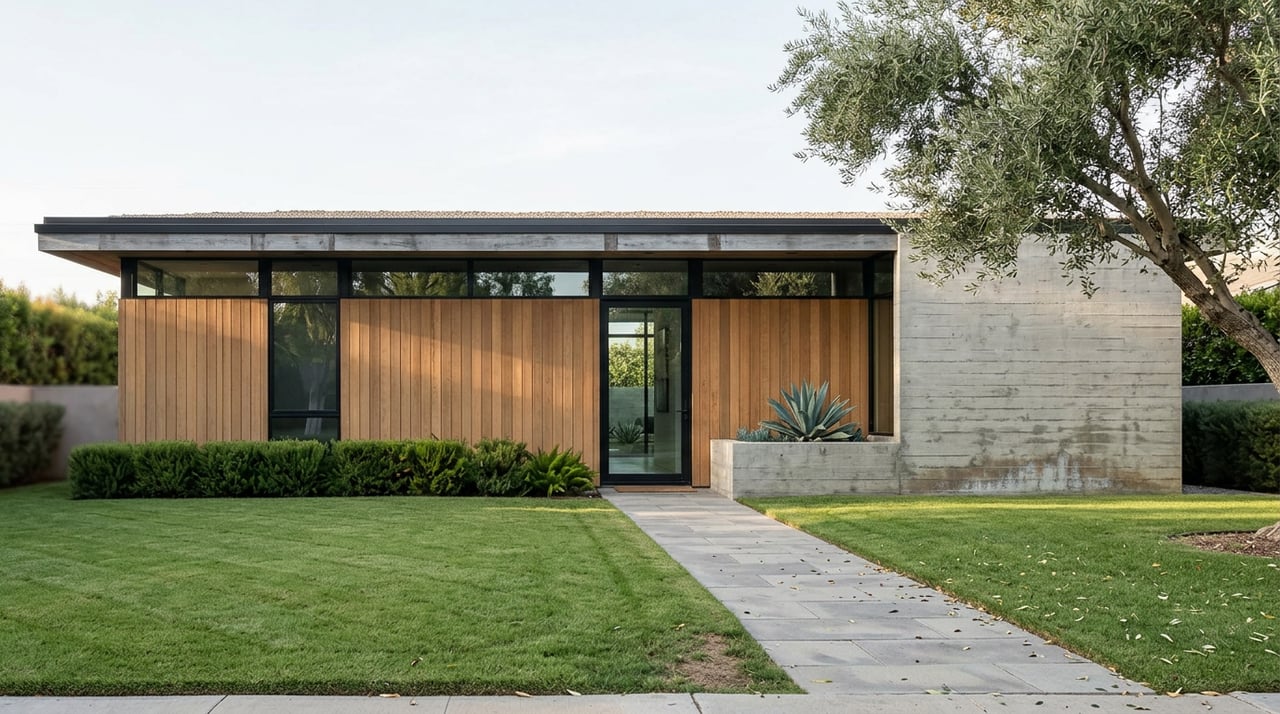
Local market examples show a mix of remodeled ranch homes near downtown, generous setbacks, and an emphasis on privacy and convenience. Compared with the downtown core, this area often reads as more suburban in its lot pattern while still keeping the Village close at hand.
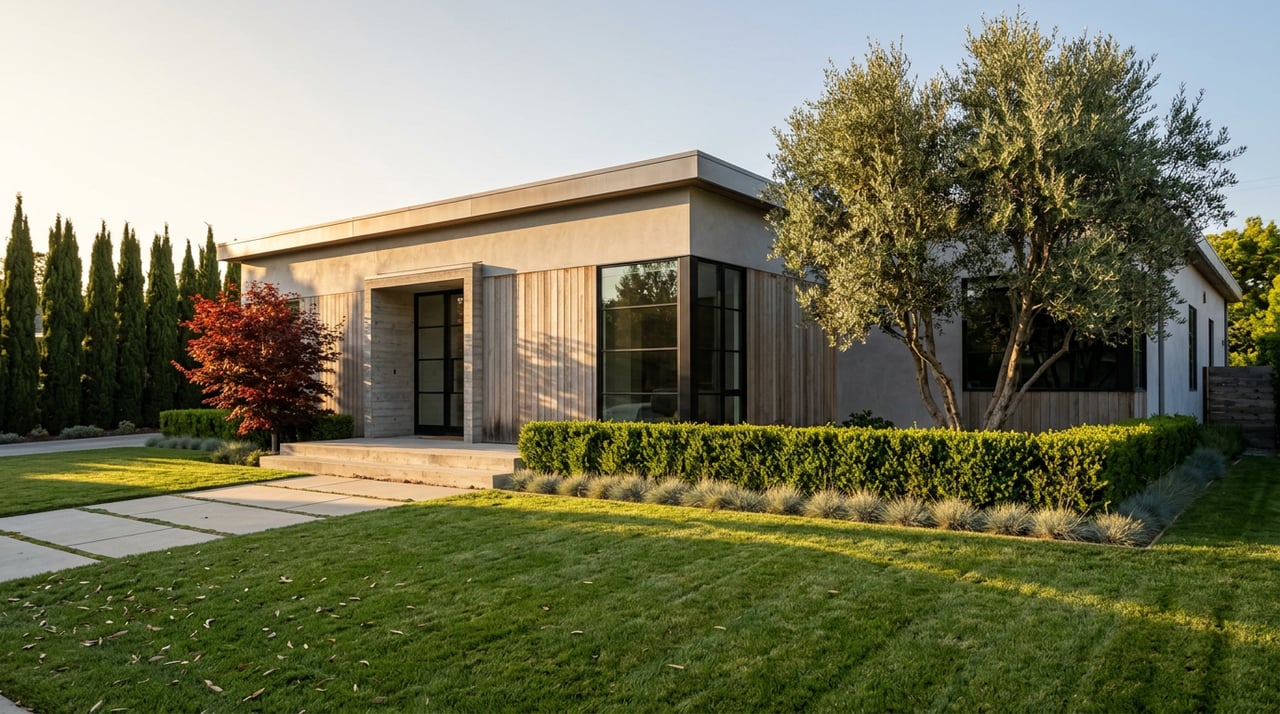
North Los Altos is known for variety. Available descriptions and current listing patterns point to a mix of 1950s and 1960s ranch homes, renovated properties, newer custom homes, and some townhomes and condominiums.
For many buyers, that mix creates flexibility. You may find a home with mid-century roots, a larger rebuild, or something closer to turnkey, all within a location that still supports quick access to downtown Los Altos.
Loyola Corners is one of Los Altos’s seven official shopping districts, and it has a very different feel from downtown. The Loyola Corners Specific Plan covers roughly 17 acres along Foothill Expressway in southwest Los Altos and is designed around neighborhood-serving commercial uses.
The city’s plan emphasizes small pedestrian-scale buildings and protection of nearby residential areas from traffic, noise, and visual impacts. Design guidelines call for informal architecture, small-scale building elements, simple sloping roofs, and rustic natural materials. That creates a more low-key commercial node than the busier downtown environment.
If you want nearby errands and local retail but do not need a denser street grid, Loyola Corners may fit well. The city’s historic materials also describe the Loyola district as having tiny lots and cottages that share scale and size, reinforcing the area’s small-scale roots.
In practical lifestyle terms, this area often feels more residential and slower-paced than downtown while still offering local convenience. It can be a smart option if you want access to everyday services without centering your routine around the downtown core.
The Country Club area offers a different kind of Los Altos experience. Here, the emphasis tends to shift away from retail walkability and toward privacy, larger parcels, and residential calm.
Recent listings on Country Club Drive show parcel sizes around 0.38 to 0.49 acres. That helps explain why the area often feels more spacious than the downtown core and many village-adjacent streets.
The Los Altos Golf & Country Club markets golf, racquets, swim, fitness, social, and dining amenities, including a renovated clubhouse with casual and fine dining. For some buyers, that club-centered setting is a major part of the area’s appeal.
If you picture home life centered around privacy, entertaining space, and optional club amenities, this area may rise to the top of your list. It is often a better fit for that lifestyle than a location where the main draw is walking to cafes or shops.
Los Altos has a small but meaningful Eichler presence, and Fallen Leaf Park stands out for buyers who care about architecture. The city’s historic materials note that Fallen Leaf Park contains 37 Eichler homes built in the mid-1960s and identify it as the larger of the city’s two Eichler tracts.
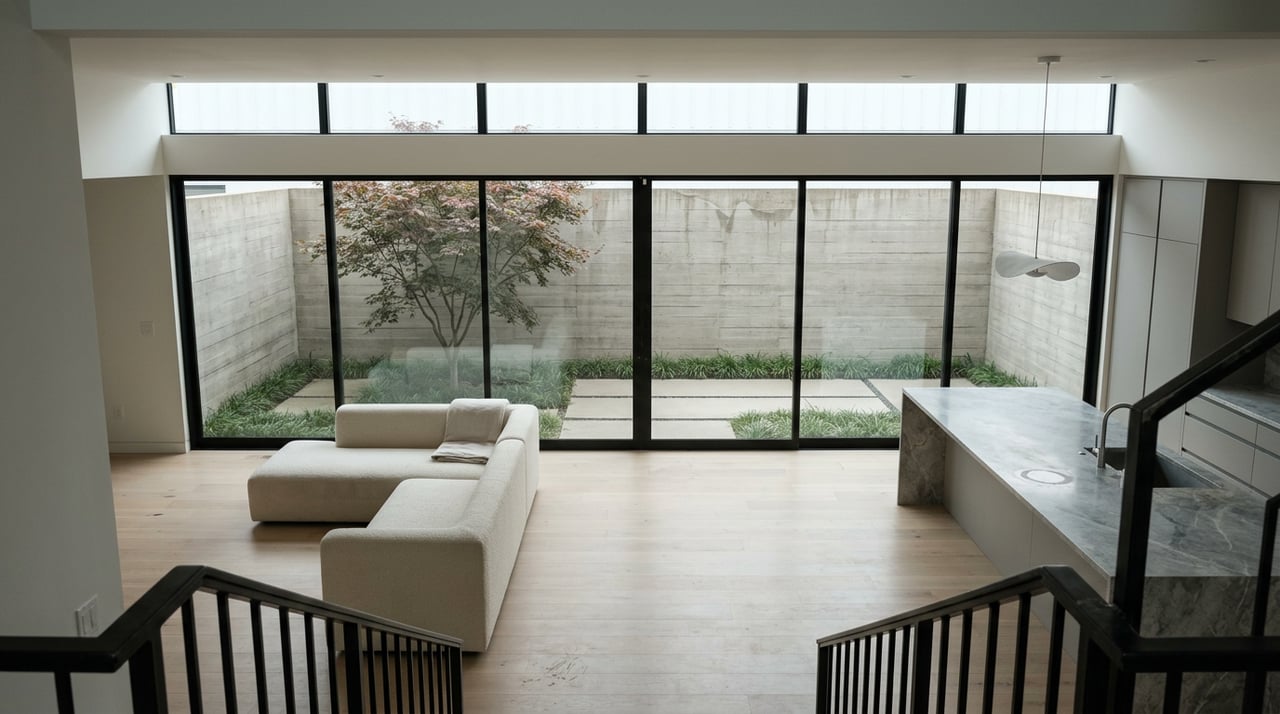
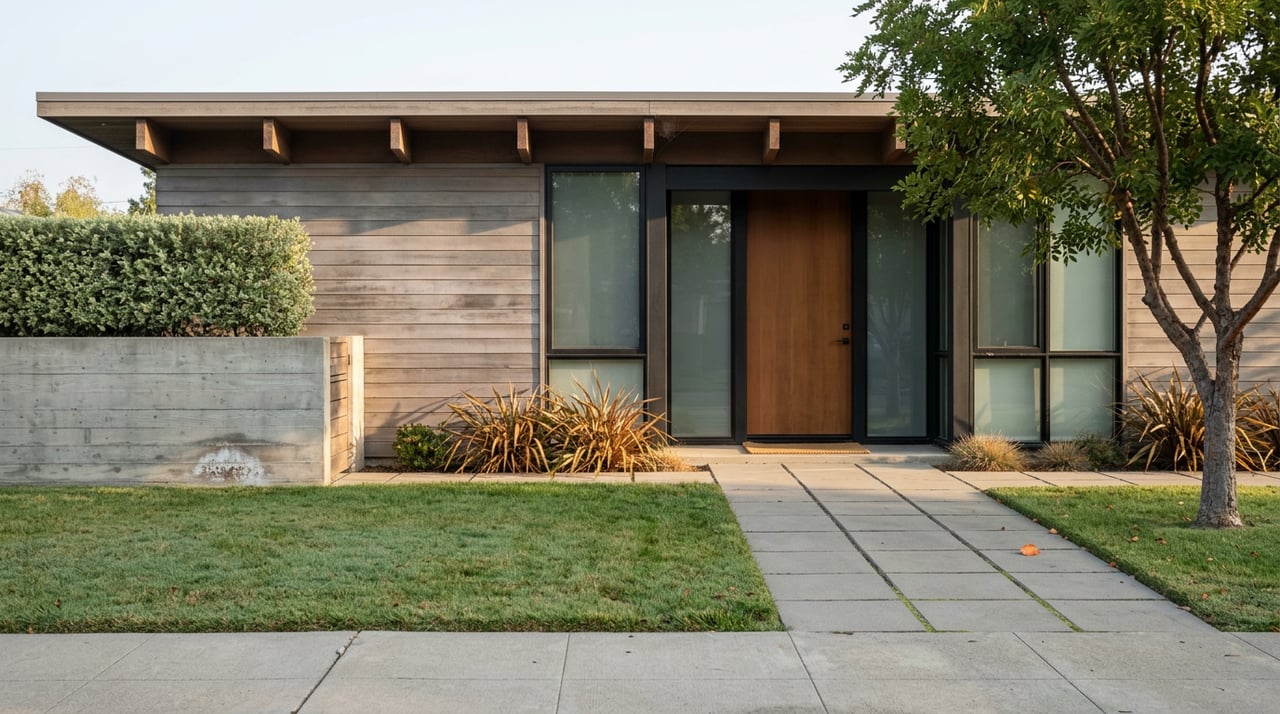
That gives the neighborhood a clear design identity. Listing descriptions continue to highlight signature features such as atriums, floor-to-ceiling glass, and indoor-outdoor living.
If you want a home that feels architecturally distinctive rather than broadly luxury-suburban, Fallen Leaf Park deserves attention. It is one of the strongest options in Los Altos for buyers who prioritize mid-century-modern character and a recognizable design language.
This kind of neighborhood can be especially compelling if your home search is driven as much by style and atmosphere as by square footage or lot size. In Los Altos, that is a relatively specific niche, which makes this pocket stand out.
A simple way to narrow your search is to match your daily routine to the area’s strongest lifestyle pattern. In Los Altos, a few broad themes emerge from the city’s planning and historic materials.
This framework is useful because it turns a broad Los Altos search into a more practical one. Instead of asking which area is “best,” you can ask which area aligns best with how you want your week to feel.
Once you narrow your preferred micro-neighborhoods, address-level review matters. The city’s GIS viewer can help verify parcel details, zoning, land use, and historic data by property.
It also helps to confirm the basics that shape daily convenience. For example, downtown parking remains relatively easy to navigate, with about 1,400 free public spaces and time limits enforced Monday through Saturday in regulated spots.
If you are buying or selling in Los Altos, this kind of block-by-block context is often where smart decisions get made. A polished home search or marketing plan starts with understanding not just the city, but the exact micro-neighborhood story around a property.
If you want help evaluating which Los Altos micro-neighborhood fits your priorities, or how to position a home within its exact pocket of the market, connect with Christopher Fling. You will get clear, local guidance backed by a disciplined process and deep Los Altos experience.
Stay up to date on the latest real estate trends.