Palo Alto Luxury Home Architecture: Key Styles Explained
April 23, 2026
April 23, 2026
If you are shopping for a luxury home in Palo Alto, architecture matters more than you might think. The style of a home shapes how it lives day to day, how much natural light you get, how indoor and outdoor spaces connect, and what upkeep you may want to plan for over time. In a market where design carries real weight, understanding the basics can help you make a more confident decision. Let’s dive in.
Palo Alto has an unusually varied housing landscape. According to the City of Palo Alto’s historic survey materials, the city includes important examples of Spanish Colonial Revival, Mediterranean Revival, Midcentury Modern, and a locally recognized Modern Ranch House context.
That mix means two luxury homes at a similar price point can feel very different in person. One may be centered on courtyards and formal rooms, while another may emphasize glass walls, open living, and a stronger connection to the yard. For buyers, that affects fit. For sellers, it affects positioning, presentation, and the story your home tells.
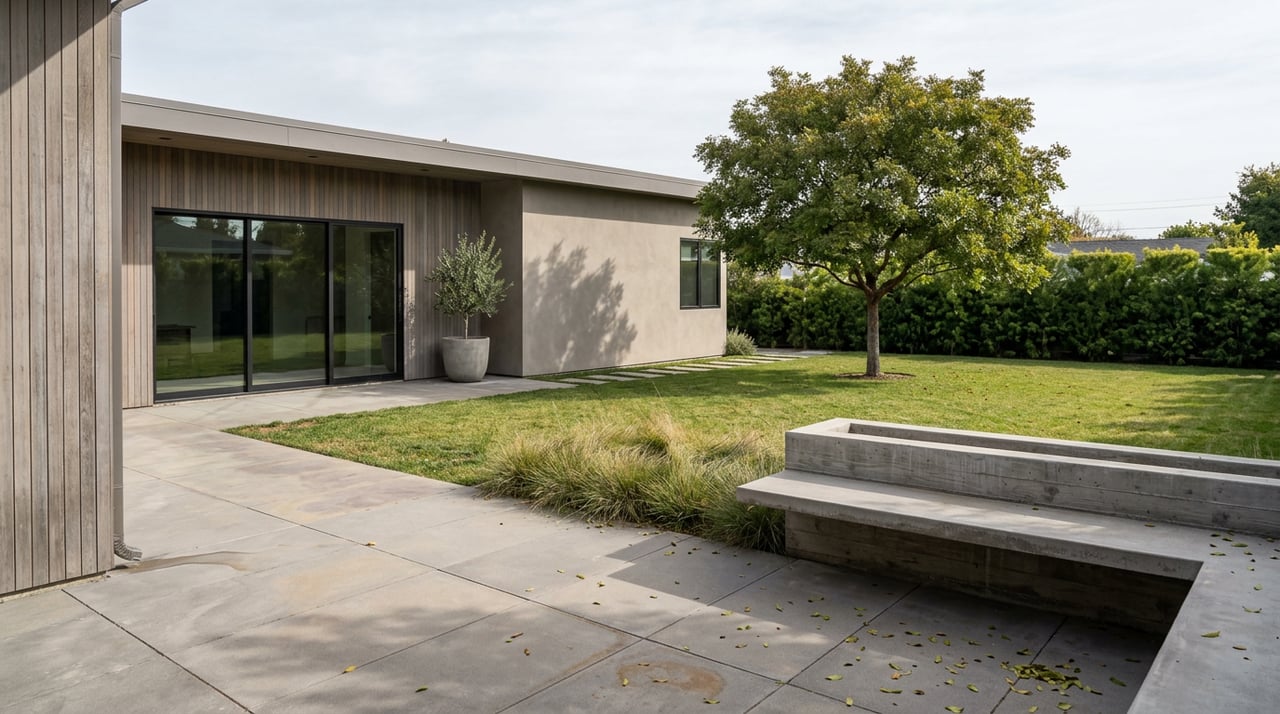
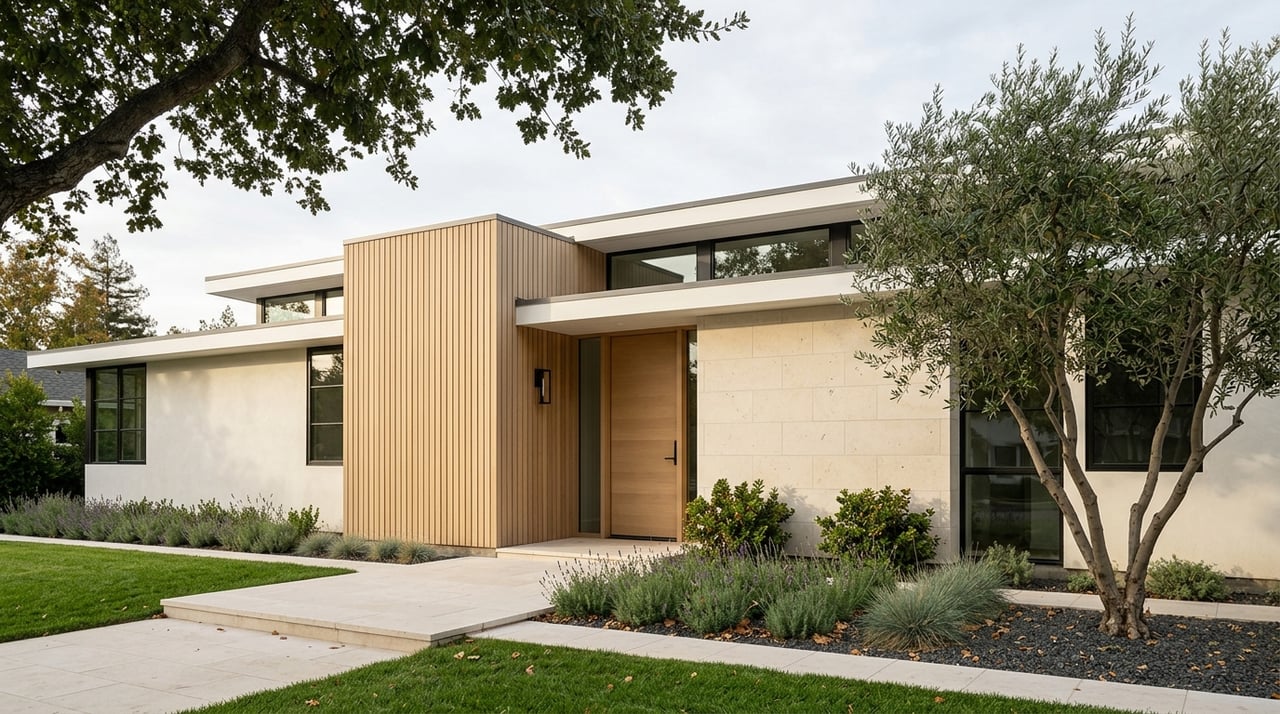
The easiest visual shorthand for a ranch home is low and horizontal. California ranch houses are typically single-story, have low-pitched roofs, broad footprints, and often include attached garages, according to the National Park Service overview of Bay Area architecture.
Inside, ranch homes often feel practical and comfortable. The style is known for open floor plans, eat-in kitchens, large living rooms, and generous use of glass that helps pull the outdoors into daily living. In luxury properties, that can translate into easy circulation, wide rear openings, and a backyard that feels tied directly to the main living spaces.
From a maintenance standpoint, ranch homes are often among the more straightforward styles to manage. Upkeep usually centers on rooflines, windows, and exterior finishes rather than ornate decorative details. In Palo Alto, one of the biggest differences in value and feel is whether the home remains close to its original form or has been substantially remodeled or expanded.
In Palo Alto, mid-century modern is not a niche category. It is part of the city’s architectural identity. The city created Eichler Neighborhood Design Guidelines after surveying all Eichler tracts, and local reporting has described the Highlands as having more than 700 similarly styled homes, making it one of the area’s most recognizable concentrations of Eichler-era design.
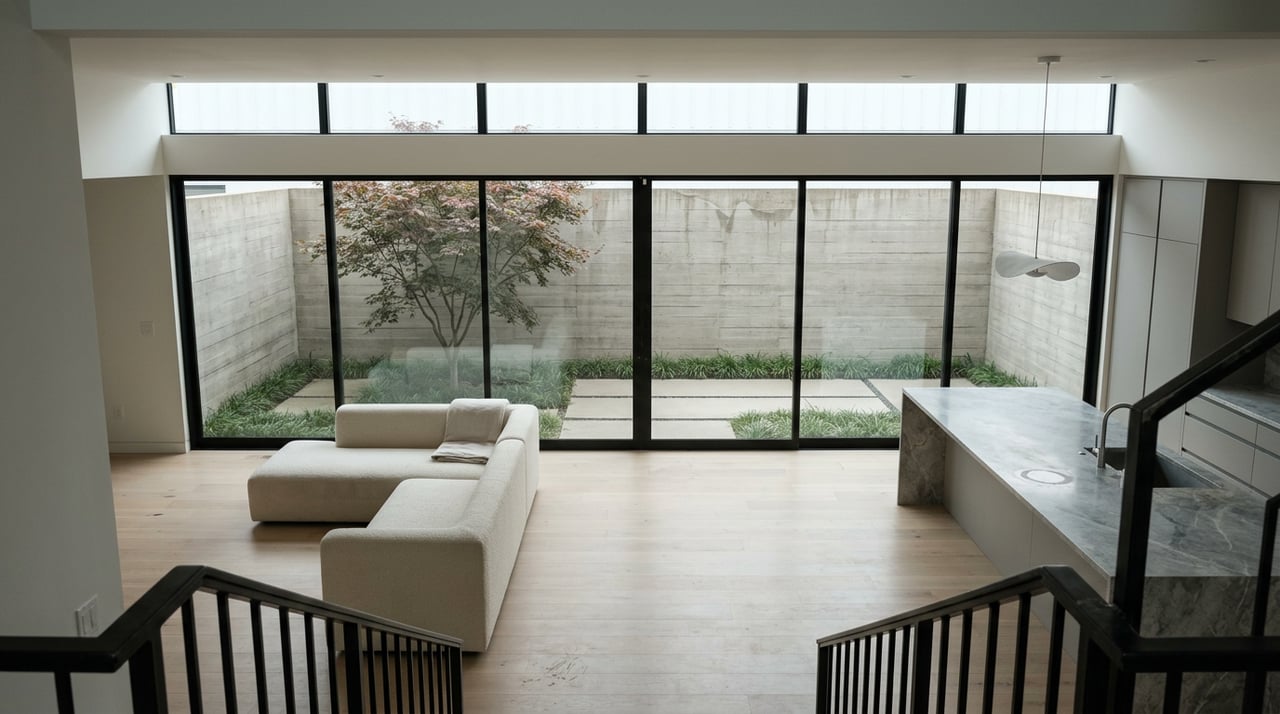
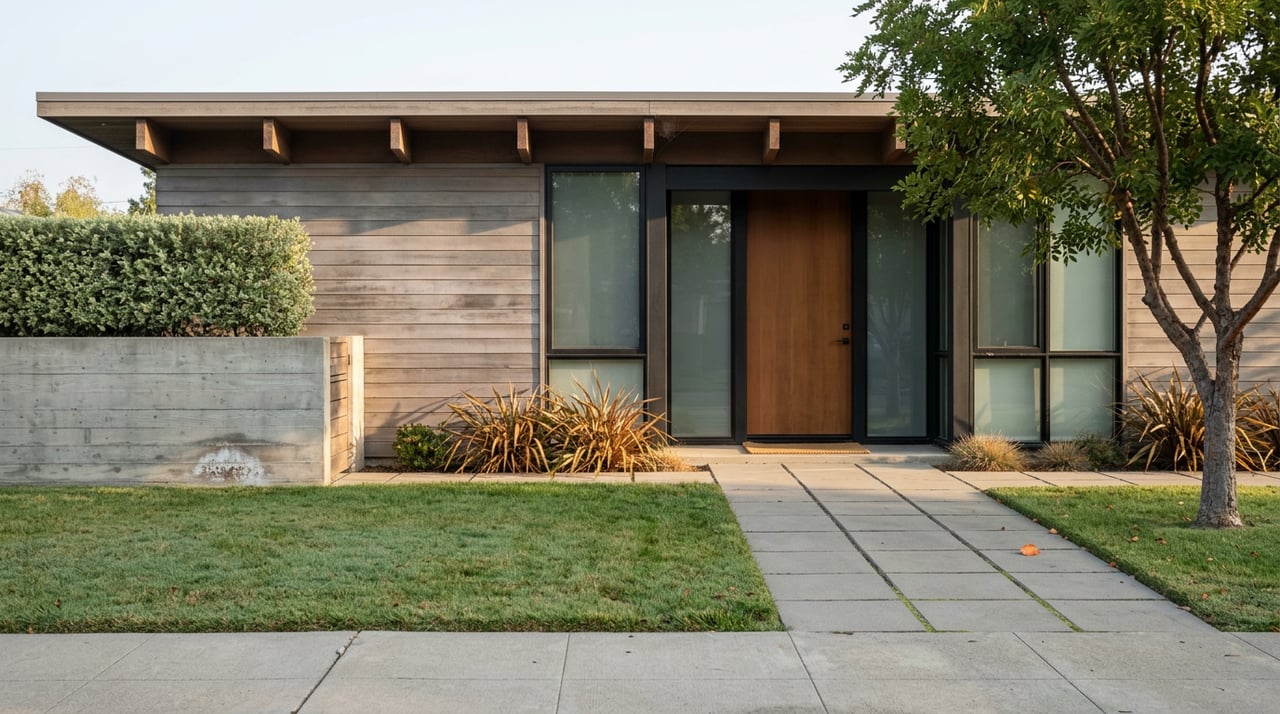
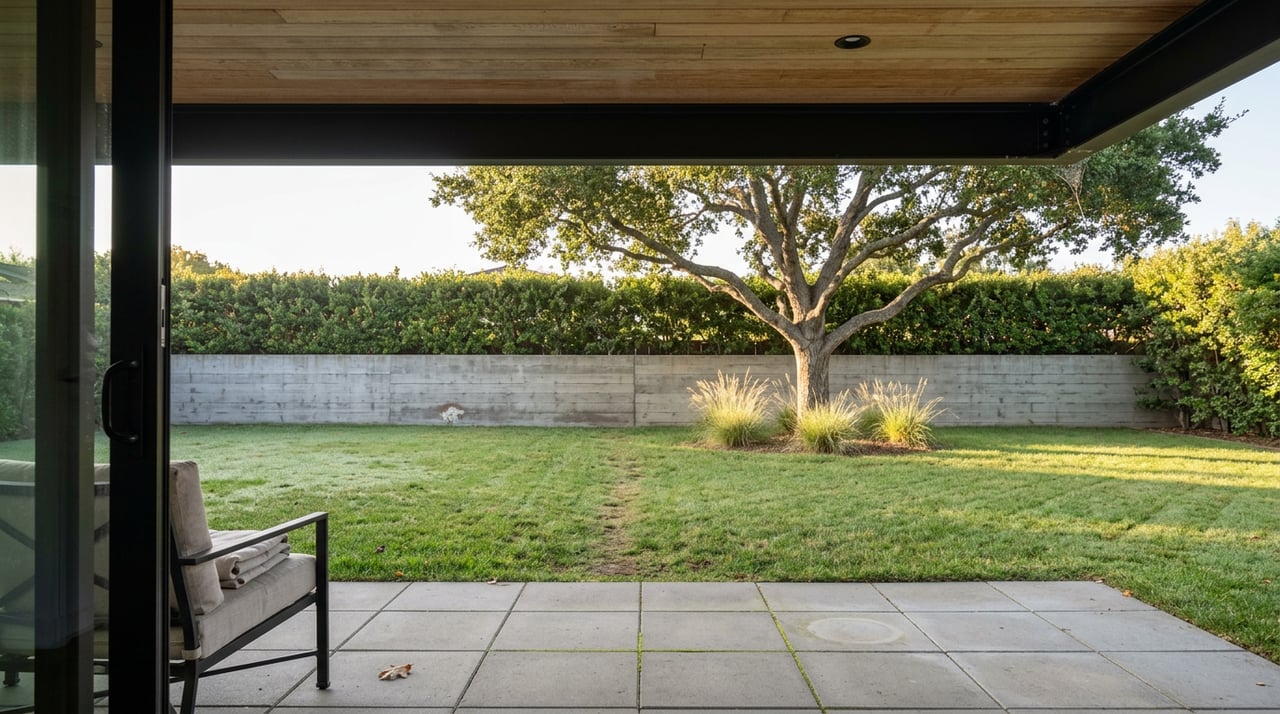
The key visual cues are usually easy to spot: post-and-beam construction, open living spaces, clerestory windows, large plate-glass rear walls, and flat or slightly sloped roofs. Local reporting on Palo Alto Eichler neighborhoods also highlights the strong relationship between patios, atriums, and interior rooms, which is a big part of why these homes feel so distinctive in person.
If you want the strongest indoor-outdoor connection, mid-century modern often leads the list. Open plans, broad glazing, and daylight from multiple directions can make a home feel larger and more open than its square footage suggests. That quality is a major reason these homes remain so talked about in Palo Alto.
The tradeoff is upkeep. Glass, roof membranes, and original building systems may require more attention than in simpler styles. If a home is in a designated area or tied to specific local guidelines, exterior changes can also involve a more careful review process.
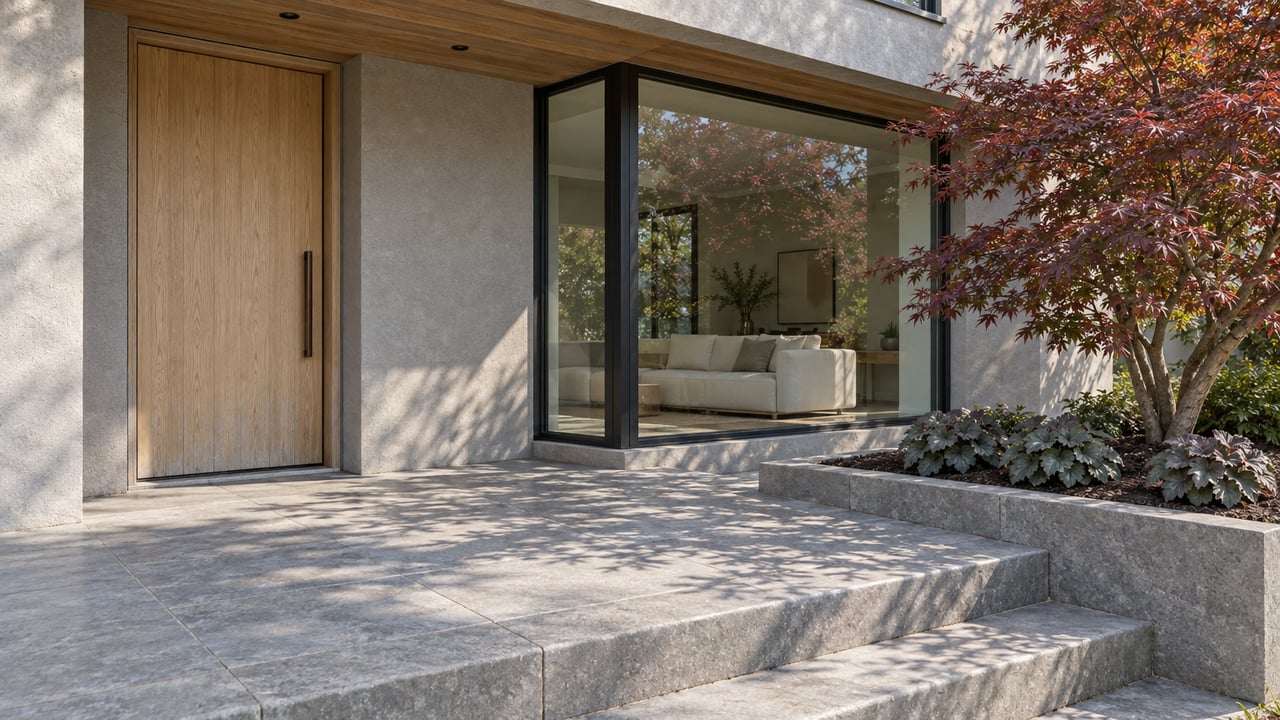
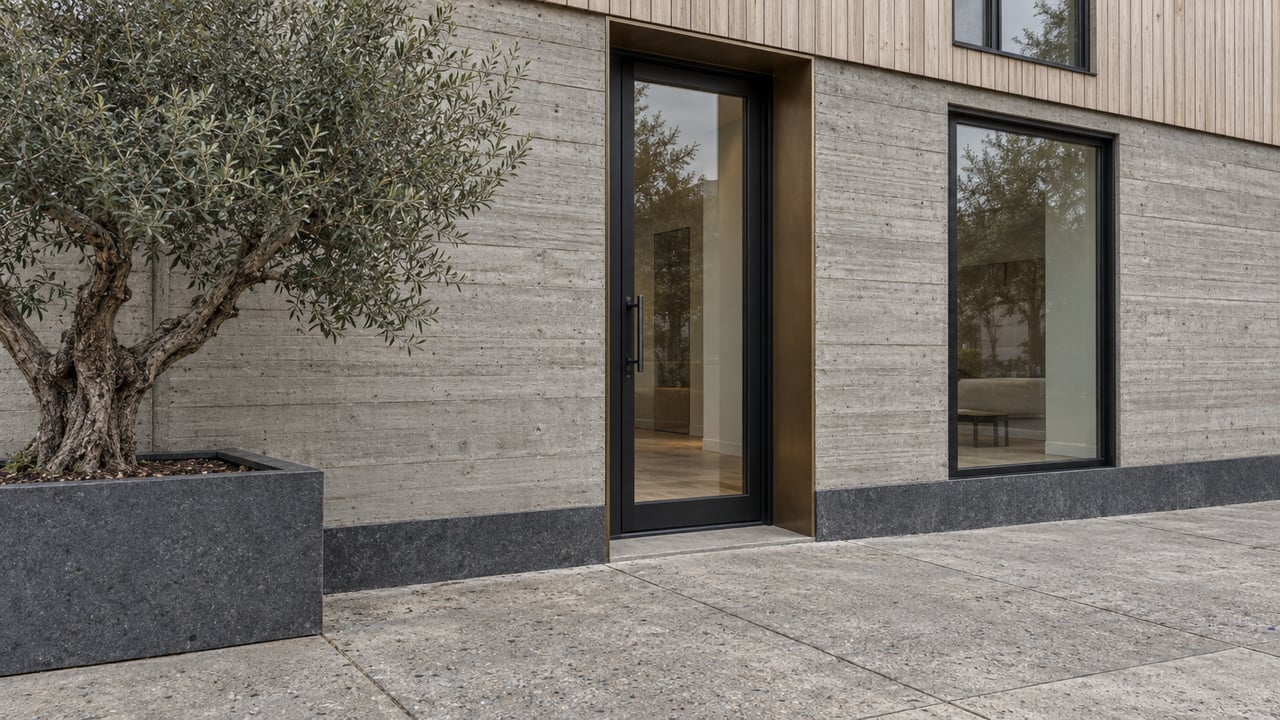
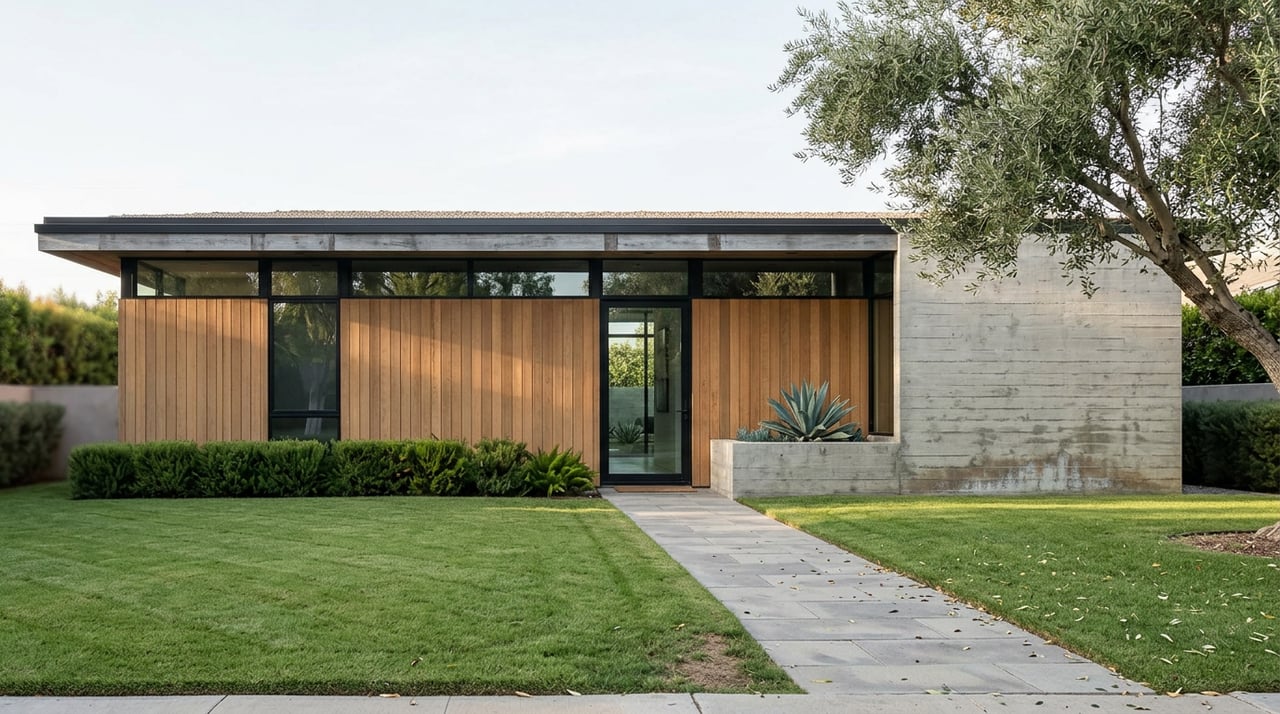
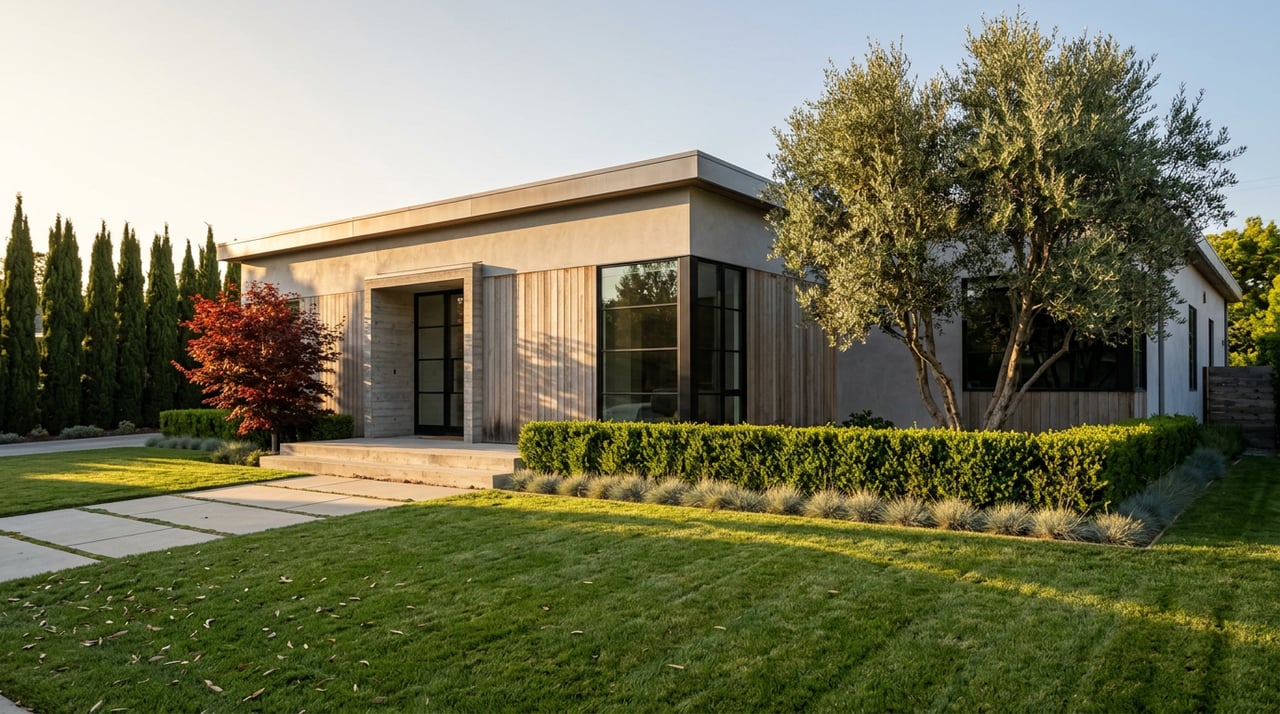
Contemporary homes are often the most minimal-looking properties in the Palo Alto luxury market. Based on California contemporary style descriptions in the National Park Service resource, they can be understood as an abstracted or stylized version of the traditional ranch house, often with bold roof forms, exposed structural elements, large picture windows or sliding-glass walls, and open floor plans.
For many buyers, the appeal is flexibility. Contemporary homes tend to prioritize airy gathering spaces, broad sightlines, and a kitchen-living core that supports both everyday life and entertaining. If you value a clean aesthetic with fewer ornamental details, this style often delivers that calm, tailored feel.
With that simplicity comes precision. Clean lines and large openings can make flaws in sealant, flashing, glazing, or material transitions easier to notice. In other words, a contemporary home can look stunning, but the details matter and deferred maintenance tends to show more clearly.
If a home has stucco, tile, and arches, you are likely looking at Mediterranean or Spanish Colonial Revival influences. The City of Palo Alto describes Spanish Colonial Revival as featuring low-pitched red-tiled roofs, tiled parapets, stucco walls, and occasional arches, and city staff have identified it as one of the defining styles across Palo Alto’s residential and commercial areas.
This style usually feels more formal than ranch or mid-century modern. Indoor-outdoor living is still part of the appeal, but it is often expressed through courtyards, patios, and archways rather than through expansive glass walls. That gives these homes a different rhythm and a more traditional sense of arrival.
Maintenance often centers on stucco condition, clay tile roofing, and wrought-iron elements. Buyers and sellers should pay particular attention to tile repair, stucco cracking, and corrosion or repainting on decorative ironwork. In luxury presentation, these details can have an outsized impact on first impressions.
Architecture is not just about curb appeal. It affects how a home supports your routine, your gatherings, and your sense of space.
If you want a home that feels open and bright, mid-century modern and contemporary styles usually stand out most. The research consistently points to larger glazing, fewer interior partitions, and stronger visual flow in those homes.
If you want simpler movement and easier one-level living, ranch homes often excel. Their horizontal layout can make daily use feel intuitive and grounded.
If you prefer more formal separation between spaces, Mediterranean and Spanish Colonial Revival homes may feel like the better fit. They often create warmth and character through materials and architectural detail rather than through transparency and minimalism.
One of the most important things to understand in Palo Alto is that architecture can affect more than style alone. The city maintains an official Historic Inventory and Historic Registers framework, and designated properties can be subject to preservation-related management guidelines and incentives.
That does not mean every older or architecturally distinct home faces the same review process. It does mean buyers should understand whether a property is designated, and sellers should know if architectural features or location within a protected context may influence future exterior changes. Eichler neighborhoods are especially relevant because Palo Alto adopted design guidelines specifically for those tracts.
When you tour luxury homes in Palo Alto, it helps to compare style through a practical lens rather than an abstract one. A few questions can quickly sharpen your thinking:
These questions often reveal more than square footage alone. In the luxury segment, the right home is often the one whose architecture aligns with how you actually want to live.
If you are preparing to sell, your home’s architectural style should shape the marketing strategy. A mid-century modern property benefits from photography and staging that emphasize glazing, sightlines, and indoor-outdoor flow. A Mediterranean home may show best by highlighting courtyard living, texture, and architectural details like arches or tile.
That is especially true in Palo Alto, where buyers often come in with strong design preferences. Clear positioning helps the right audience recognize value faster. It also creates a more coherent story across preparation, presentation, and pricing.
In a style-conscious market, architecture is not just background information. It is part of the asset itself. If you want guidance on how your home’s design fits into today’s Palo Alto luxury market, Christopher Fling offers a strategic, high-touch approach built around presentation, positioning, and disciplined execution.
Stay up to date on the latest real estate trends.