Moving to Cupertino for a new role and trying to make sense of housing, commute, and day-to-day life? You are not alone. Relocation moves fast here, and the right plan will save you time, stress, and money. In this guide, you will learn how the Cupertino market behaves, what home types you will find, what the commute really feels like, and how to structure a quick scouting trip and a winning offer. Let’s dive in.
Cupertino housing snapshot
Cupertino is a high-price, low-inventory market where well-priced homes often see multiple offers and move quickly. Recent summaries place the citywide median sale price near $3.67M with short marketing windows. Listing and index-based figures show some variation, with medians and modeled values in the $3.0M to $3.3M range. Different data sets track different things, so expect variation by source.
Here are typical price bands to help you frame a budget:
- Condos and townhomes: roughly $1.0M to $1.6M depending on building, size, and finish.
- Smaller or older single-family homes: roughly $1.5M to $3.0M, with lot size a major driver.
- Typical single-family homes, 3 to 4 bedrooms and updated: commonly $2.5M to $4.0M.
- Upper tier and new construction: $4M and above, with many new builds well above $5M in small samples.
What this means for you: use fresh, street-level closed sales from the last 60 to 90 days to price your offer. Micro-markets vary by block, and competitive homes can trade above list when demand stacks up. Plan for speed and be ready to verify funds and terms when a match appears.
Home types and neighborhoods
What you will find
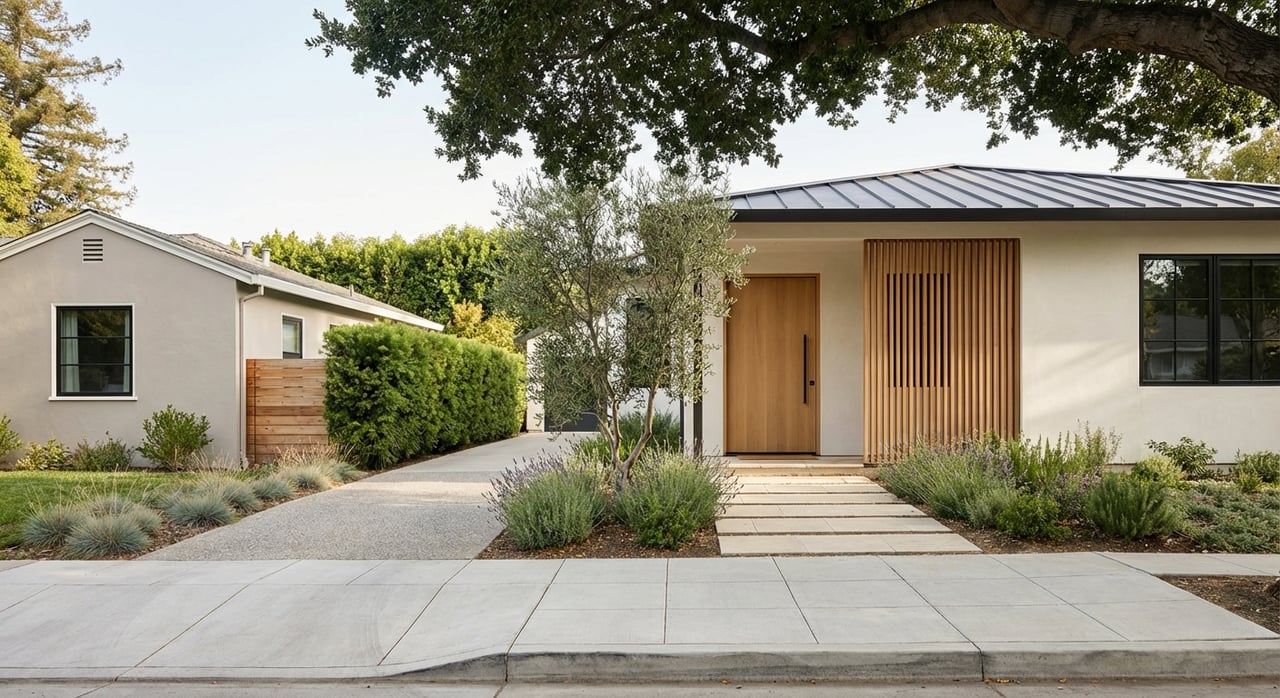
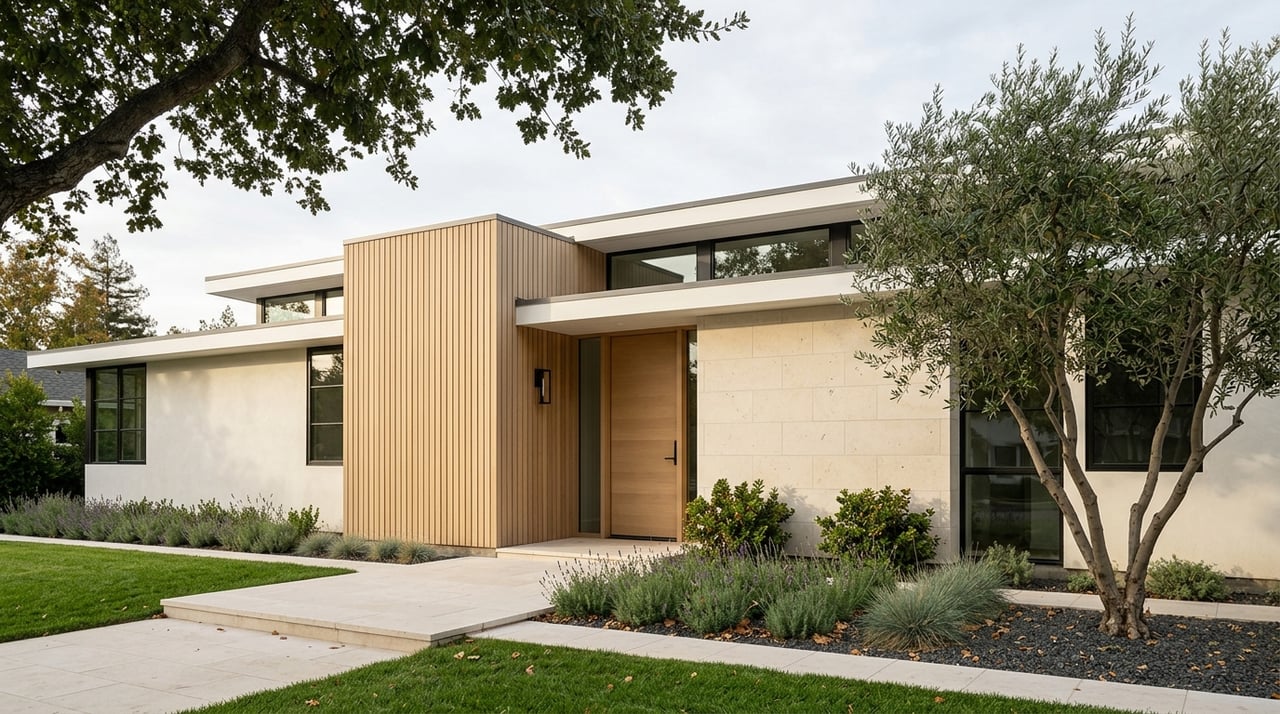
- Single-family homes are most common. Many are mid-century ranches, including noted Eichler tracts. You will also see a healthy rebuild market where smaller originals are replaced by larger modern homes.
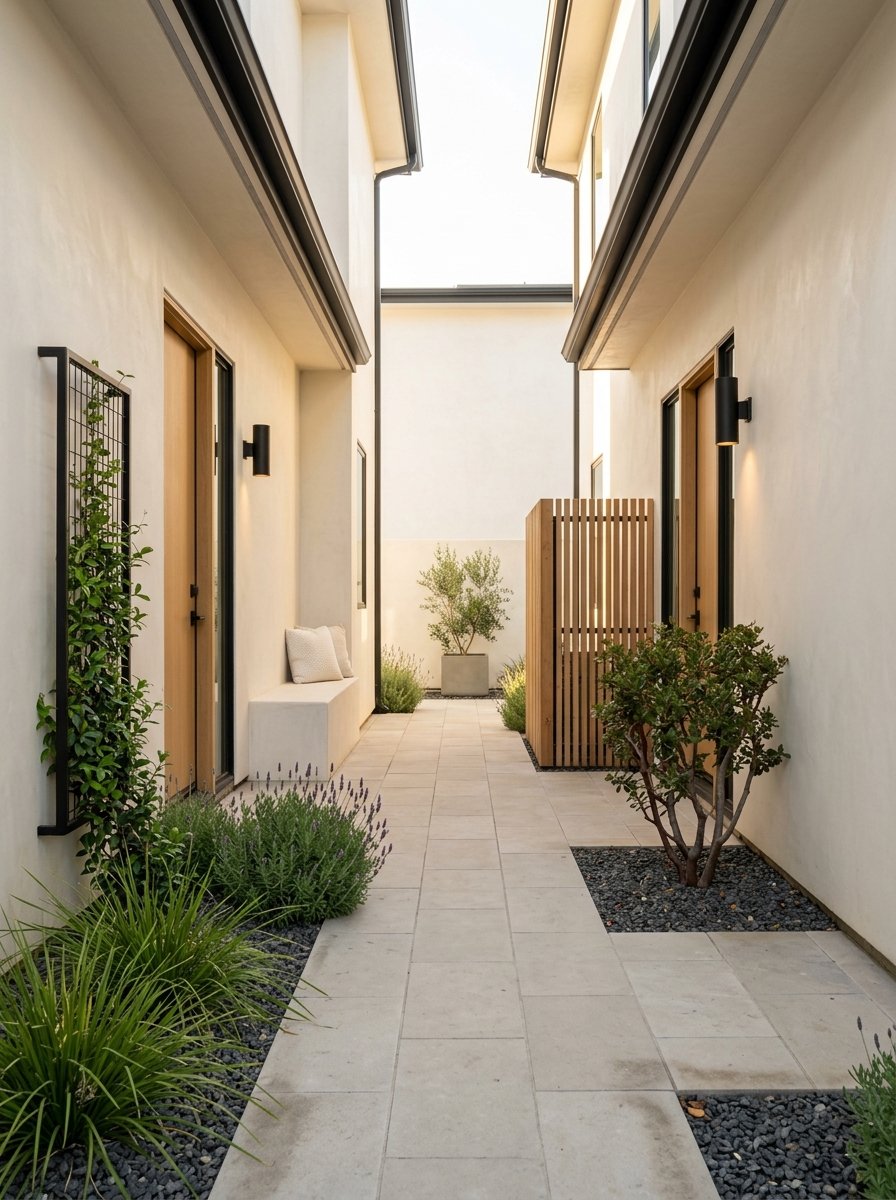
- Low-rise condos and courtyard townhomes cluster around the Stevens Creek and Main Street corridors. These can be practical entry points if you want proximity to shopping and shorter drives.
- Larger estate-like lots appear toward the western and southern edges near the foothills. These areas offer more privacy and a different physical character.
Orientation by area
- City Center and Main Street: A mixed-use hub with restaurants, coffee, and services. It offers convenient access to I-280 and the Apple area, plus walkable evening options. Explore the Main Street Cupertino directory to get a feel for the scene.
- Rancho Rinconada and central pockets: Primarily older tract housing with frequent remodels and rebuilds. Buyers here often prioritize quick local access to Stevens Creek and De Anza corridors.
- Monta Vista and the western foothills: Larger homes and more private lots on gently rolling terrain. Commute times vary by exact location, so test your route at peak hours.
- Eichler and mid-century tracts: One-story modernist designs with a devoted following. Many have been thoughtfully updated while preserving architectural character.
Why small homes can sell high
Lot scarcity near major job centers like Apple Park can push land value. It is not unusual to see small or older homes trade at prices that make more sense when you factor in rebuild potential. If a small house looks expensive on paper, consider the lot and what can be done with it.
Commute and transportation
Proximity to employers
Apple Park sits in Cupertino, which can make for very short drives or even bikeable commutes if you live nearby. If you want a quick on-the-ground preview, the Apple Park Visitor Center offers a convenient reference point.
Driving reality
Key routes include I-280, CA-85, and local arteries like Stevens Creek Boulevard and De Anza Boulevard. Access to I-280 from the Main Street area is straightforward, but plan for heavier traffic during peak windows. Off-peak drives can be brief. Build a test drive into your scouting plan so you know your true door-to-door timing. The Main Street overview gives a simple orientation to the corridor.
Transit options
Cupertino has no Caltrain station within city limits. Many commuters use nearby Mountain View or Sunnyvale stations, often by car or shuttle. For trip planning, start with Caltrain destinations. VTA buses serve core corridors, and Route 23 covers Stevens Creek and De Anza. The city also supports microtransit connections to local hubs. Many tech workers rely on private employer shuttles as well. If transit is essential for you, test the first and last mile during your visit.
Daily amenities and recreation
Main Street for dining and errands
Cupertino’s most visible town-center experience is Main Street. You will find plazas, restaurants, coffee shops, fitness, and a hotel in a compact, walkable layout. Scan current tenants in the Main Street Cupertino directory, then visit at lunch and again in the evening to gauge the vibe.
Groceries and everyday needs
You will find supermarkets and daily services along Stevens Creek and Homestead corridors and around Cupertino Village. For many residents, these corridors plus Main Street cover most errands within a short drive.
Trails and open space
Weekend access to nature is excellent. Nearby options include Rancho San Antonio with extensive trails, Stevens Creek County Park and reservoir, and Picchetti Ranch Preserve. If trails are a priority, preview the Picchetti Ranch Preserve before your visit and plan a short hike on your scouting day.
Plan a focused 2 to 3 day scouting trip
A tight plan will help you compare options and act quickly if the right home appears.
Day 0: Remote prep
- Secure a lender pre-approval or, better, a fully underwritten pre-approval. This is a credibility must in multiple-offer situations. The FDIC’s overview of mortgage pre-approvals is a helpful primer: how mortgage pre-approvals work.
- Ask your agent to assemble 6 to 10 target properties across your price band and product types. Request recent closed comps and any available disclosure or pre-inspection packets.
Day 1: Orientation and commute tests
- Morning: Drive your likely commute at peak times from a central Cupertino location to your workplace. If Apple is your destination, use the Apple Park Visitor Center as a map reference and note multiple routes.
- Midday: Walk Main Street for lunch and assess parking, walkability, and evening flow using the Main Street Cupertino directory.
- Late afternoon: Do an agent-led neighborhood tour to compare lot sizes, streetscapes, and access. End with a short trail visit to verify weekend options such as Picchetti Ranch Preserve.
Day 2: Showings and offer strategy
- Morning: Hit 1 to 2 open houses, then visit your top private showings back to back for apples-to-apples comparison.
- Afternoon: Review comps and finalize offer terms. Decide on deposit amount, inspection timing, appraisal gap plan, and any rent-back or closing flexibility.
- Evening: Drive your return route at the PM peak to confirm timing.
What to bring
- Pre-approval letter, proof of funds, government ID, and any documents your agent needs to schedule showings.
- A quick checklist: evening noise check, cell coverage test, parking access, nearest grocery and coffee, rush-hour route, basic roof and exterior condition, drainage or slope notes.
Practical tips
- Ask the listing agent if there is a pre-listing inspection or a disclosure packet. These can help you shorten contingencies with more confidence.
- If you are out of state, consider a pre-offer inspection or a short contractor walkthrough if the seller allows it. This can reduce unknowns while staying competitive.
How offers and escrow work here
Local climate
Expect competitive terms on well-priced homes and short decision windows. Clean offers that are easy to execute often stand out.
The California contract and timeline
Most residential purchases use the C.A.R. Residential Purchase Agreement. For a clear overview, see the California buying and transaction basics. Escrow for financed purchases often runs about 30 to 45 days. Cash purchases can close faster. Contingency windows are negotiable, and in competitive settings many buyers shorten them.
Building a strong offer
- Pre-approval: Provide a current pre-approval that verifies income and assets. Lender reputation and responsiveness matter. For a refresher, review the FDIC’s guide to mortgage pre-approvals.
- Earnest money: A meaningful deposit signals commitment. Funds are typically wired to escrow by the contractual deadline after acceptance.
- Inspections and appraisal: Some buyers complete pre-offer inspections if permitted. Others shorten inspection periods or add a capped appraisal-gap clause. A cap can balance strength with risk control. If an appraisal comes in low, common solutions include a price adjustment, buyer cash to cover part of the gap, a reconsideration request, or cancellation if your contingency allows. For a practical overview, see how to handle a low appraisal without losing the deal from Revix Loans.
- Escalation clauses: These can help in tight bidding but require precise language and proof of funds up to your cap. For background, review this plain-English take on real estate escalation clauses.
Next steps
If Cupertino fits your work and lifestyle, focus on a product type and price band, then schedule your scouting dates. Tighten pre-approval, preview select neighborhoods, and be ready to act when the right home appears. For a private consultation, local comps, and a tailored relocation plan, connect with Christopher Fling.
FAQs
How expensive is housing in Cupertino for a relocating tech buyer?
- Expect a citywide median near the mid-$3M range, with condos roughly $1.0M to $1.6M, many single-family homes $2.5M to $4.0M, and luxury or new builds above $4M.
What commute patterns should I plan for if I work at Apple Park or nearby hubs?
- Peak-hour congestion is common on I-280 and CA-85, while off-peak trips are shorter; test your door-to-door route during rush hours and consider proximity to the Apple Park Visitor Center as a location reference.
Does Cupertino have direct Caltrain access for Peninsula or San Francisco commutes?
- No, there is no Caltrain station in Cupertino; nearby Mountain View and Sunnyvale stations are common alternatives, and you can plan trips using Caltrain destinations.
Where should I start if I can only spend two days scouting?
- Day 1: verify commutes and walk Main Street Cupertino; Day 2: see top listings, review comps, and set offer terms with your agent.
What makes a competitive offer in Cupertino without taking on undue risk?
- Pair a strong pre-approval with a meaningful deposit, shorten but do not eliminate key contingencies when possible, and consider a capped appraisal-gap clause; see C.A.R.’s transaction basics for context.