Selling an Eichler in Sunnyvale: The Inspection No One Requires You to Get
September 10, 2026
September 10, 2026
Most Sunnyvale sellers walk into a listing appointment ready to talk about one buried pipe: the sewer lateral. It is the topic every Bay Area homeowner has half-absorbed from a neighbor, a contractor, or a headline about a Peninsula city cracking down on aging infrastructure. So they budget for a sewer scope, check the box, and move on to staging.
That instinct is not wrong, exactly. It is just aimed at the wrong pipe. Sunnyvale has no requirement to certify your sewer lateral before you can close, and the system that actually catches sellers off guard here runs through the slab under the living room floor, not the yard.
Point-of-sale sewer lateral ordinances are real, and they are common enough elsewhere on the Peninsula that the habit of worrying about them is understandable. Pacifica was the first Bay Area city to adopt one, after discovering that cracked laterals were leaking untreated sewage into groundwater. Redwood City and San Mateo followed with their own versions. San Bruno enforces a rule specifically for homes over fifty years old, effective since 2015. South San Francisco goes further still, requiring a compliance certificate before the transfer of title, with a 180-day extension available only if the seller posts a $10,500 deposit into an escrow account.
Sunnyvale runs none of this. The city's own sewer page describes lateral maintenance as the property owner's general responsibility and offers the city's help locating blockages as a courtesy, but there is no certificate to apply for, no video submission process, and no closing condition tied to it. Ask a Sunnyvale seller whether they need to certify their lateral before escrow closes and the honest answer is no, though a scope is still a reasonable idea given the age of the housing stock.
That gap matters less because sewer laterals are a non-issue in Sunnyvale and more because it reveals something about how sellers here are calibrating risk. They are importing a Peninsula-wide anxiety that does not actually apply to their city, while the system that does apply gets almost no attention at all.
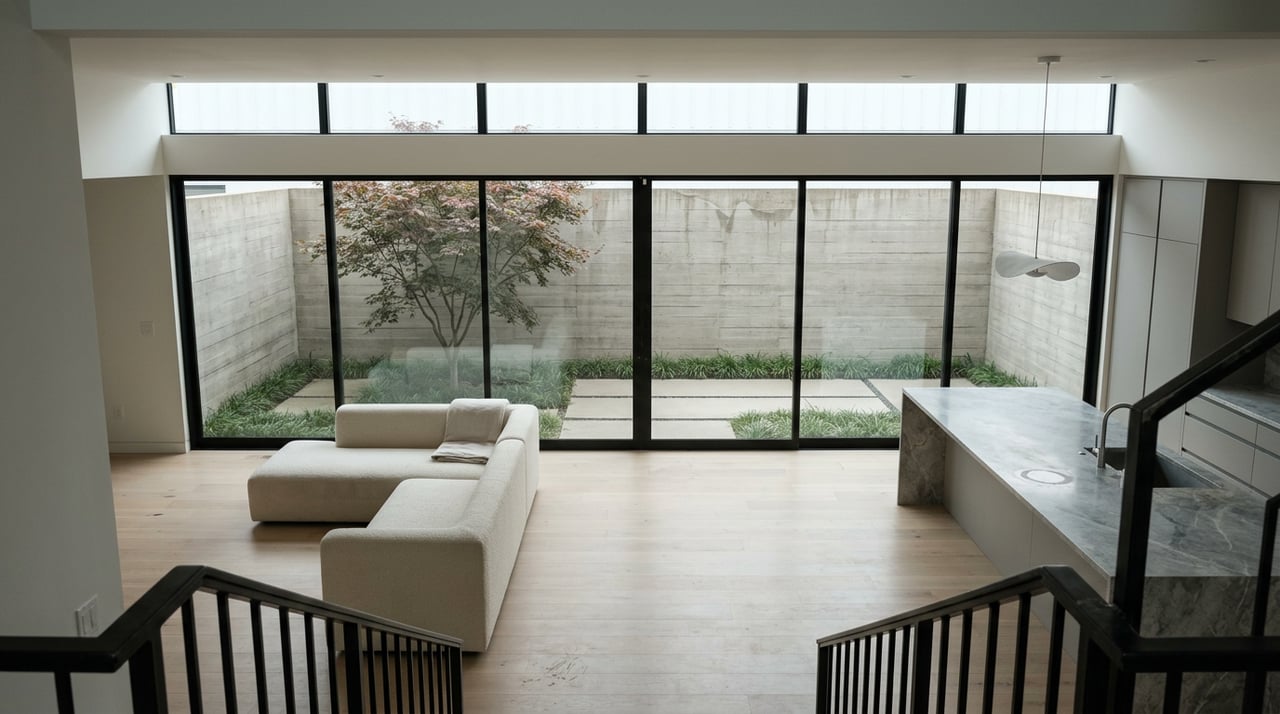
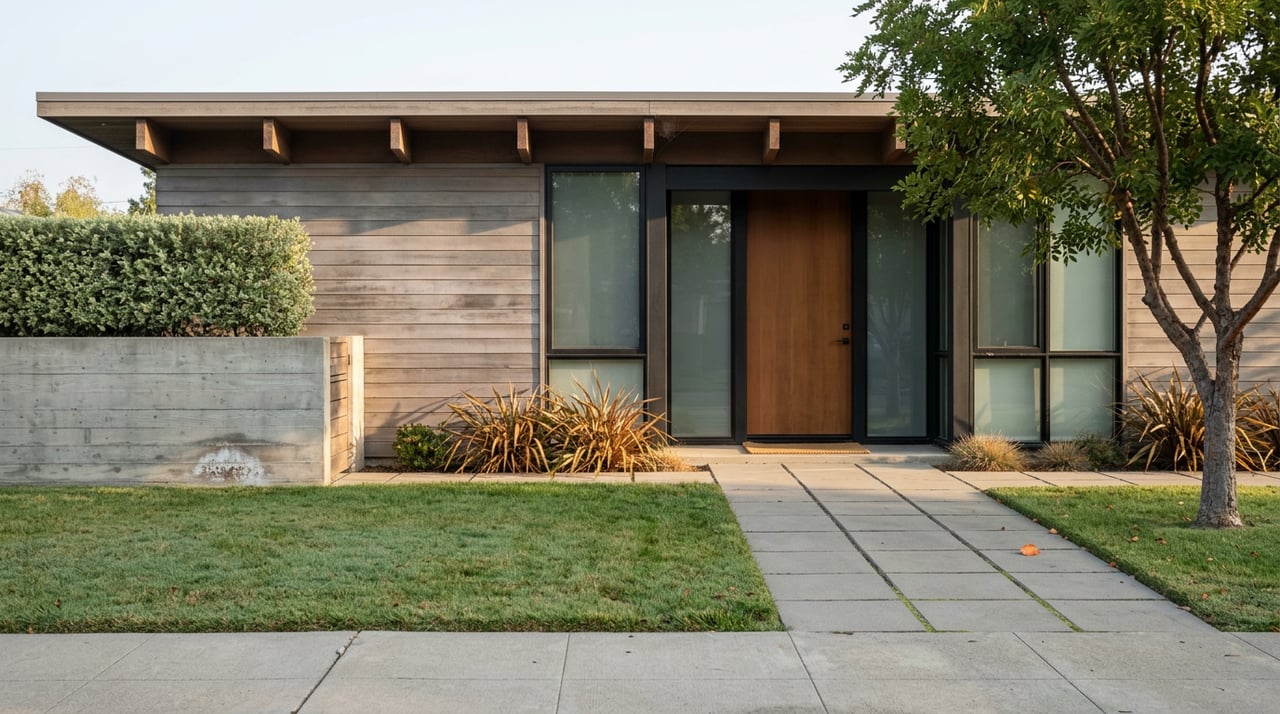
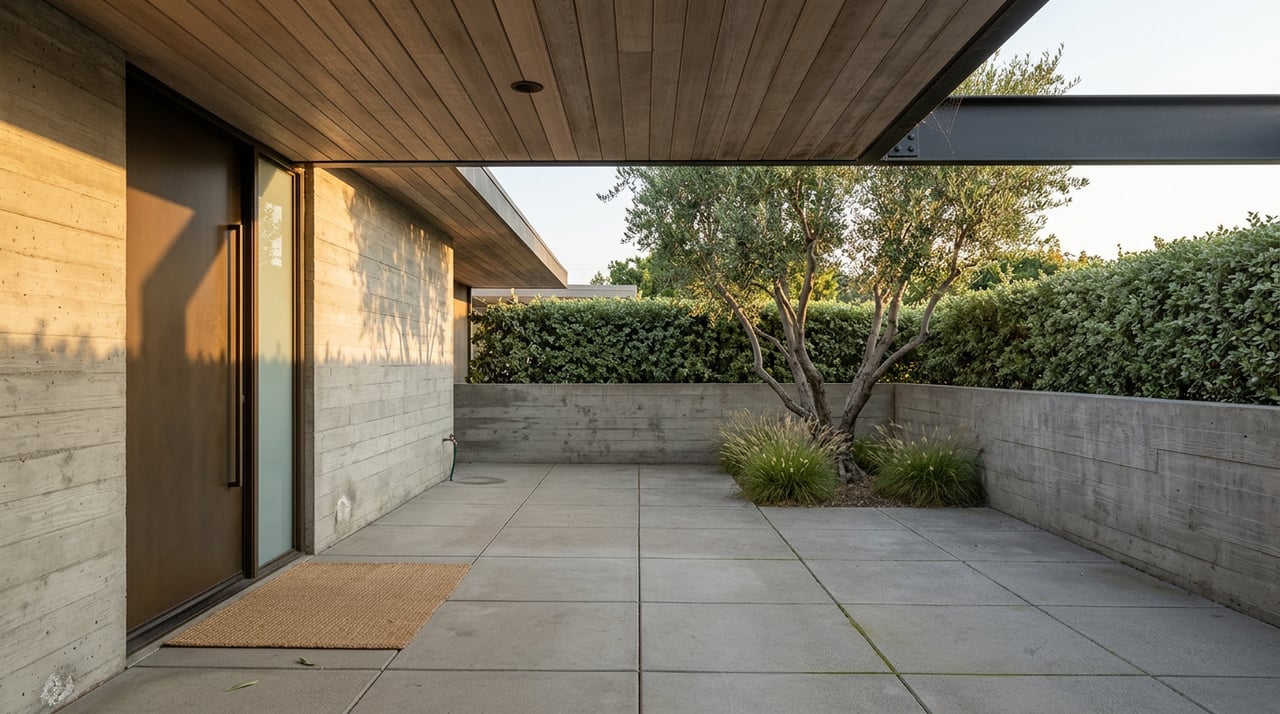
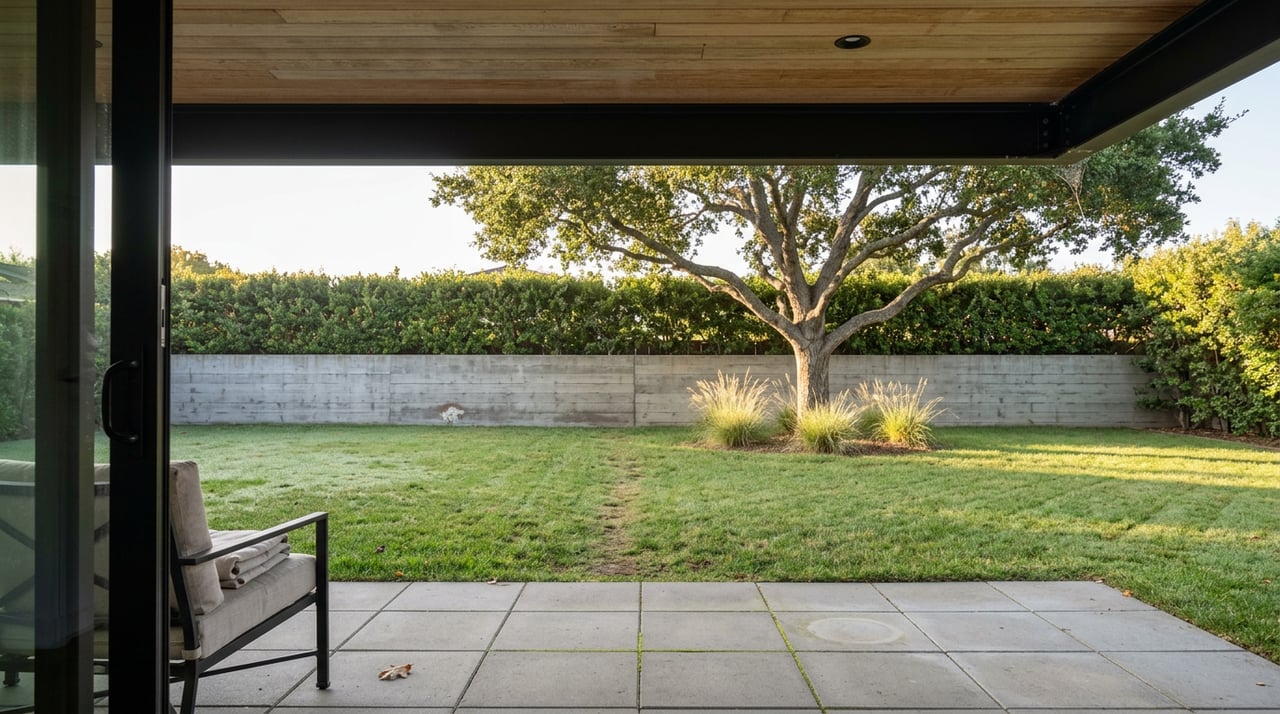
Here is the fact that changes the calculation. Sunnyvale holds roughly 1,100 Eichler homes spread across at least sixteen tracts, including Fairbrae, Fairwood, Rancho Verde, Sunnyvale Manor and its Addition, Midtown, Parmer Place, Primewood, Fairorchard, and Rancho Sans Souci. Joseph Eichler built his first scattered lots here in 1949, and the following year Sunnyvale got the first Eichlers actually designed by an architect, Robert Anshen of Anshen + Allen. Over the next two decades, Anshen + Allen, Jones & Emmons, and Claude Oakland all built here, which is why one longtime local broker has described the city as something close to an architectural dig site of Eichler's entire career. Even Apple co-founder Steve Wozniak, who grew up in a Sunnyvale Eichler, has been quoted calling it his favorite home ever.
No other city in the country has more of these homes concentrated in one place. That single fact should reset how a Sunnyvale seller thinks about risk, because it means the odds that any given listing here is an Eichler, with an Eichler's particular mechanical quirks, are simply higher than they are anywhere else.
Market trackers disagree sharply on exactly how large the Eichler price premium runs this year, with estimates ranging from roughly 10 percent above comparable non-Eichler homes to well over 50 percent, depending on the tract, the condition of the original systems, and which comparison set is used. The spread itself is telling. When estimates diverge that much, it usually means the asset carries real underlying variability, in this case tied directly to whether the home's original systems, radiant heat included, have been maintained, converted, or left to age quietly under the floor.
For context on the broader market, Redfin's tally for the three months ending June 2026 put Sunnyvale's median sale price at $1.8 million, down 17.1 percent from the same period the year before, with homes averaging 13 days on market. Whatever premium an individual Eichler commands, it is being measured against a citywide baseline that shifted meaningfully this year, which is one more reason a stale comp or an untested system can throw off a seller's pricing more than they expect.
Most Eichlers built through the 1950s and 1960s were heated with copper or steel tubing embedded directly in the concrete slab, carrying hot water from a boiler through the floor of the entire house. Many of these original systems are still running today, and copper tubing in particular tends to last for decades. That durability is part of the problem. A radiant system can develop a leak years before anyone notices, because the water does not pool on the floor where a buyer or a general inspector would see it.
"Most radiant leaks in the slab are not apparent by looking at your floor," according to hydronic heating specialist Jerry Rothfeld, whose comments on the mechanics of Eichler radiant systems have circulated for years among Bay Area contractors who work on these homes. The water finds its way straight down into the ground instead of surfacing, and the system's automatic refill function masks the loss by simply topping off the pressure.
A standard California home inspection does not test this system with any precision. Confirming a leak requires a hydrostatic pressure test, where the water is drained and replaced with pressurized air or helium so a technician can trace the exact location with a listening device or a gas detector. According to accounts from Eichler owners who have gone through the process, once a system is actually tested, it is common to find anywhere from one to five leak points, and repairing them typically takes about a day once the location is confirmed. None of that happens during a routine walkthrough. It happens only when someone deliberately orders the test.
California's Transfer Disclosure Statement, required under Civil Code Section 1102 for nearly every sale of a one-to-four unit residential property, only obligates a seller to disclose defects they actually know about. A seller who has never had the radiant system pressure tested is not lying by marking it unknown. But unknown is not the same as safe, and it is not the same as priced correctly either.
Ordering the pressure test before listing, as part of the same pre-listing round that typically covers a general inspection and pest report, turns an unknown into a known. If the system is clean, that becomes a genuine selling point for buyers who specifically want an original, functioning radiant floor, since a working system preserves both comfort and the architectural authenticity collectors of these homes pay for. If leaks turn up, the seller gets to decide whether to repair before listing or price around the finding, on their own timeline rather than the buyer's contingency clock.
The alternative is a buyer's inspector finding a warm, damp patch of flooring midway through the standard inspection period, at which point the seller is negotiating a repair or a credit under time pressure, against a defect that could have been resolved weeks earlier for the cost of a single day's work.
Does a general home inspector check the radiant heat system? Not with any precision. A standard inspection may note visible signs like a warm floor or a boiler that looks old, but confirming whether the slab tubing is actually holding pressure requires a specialist hydrostatic test, usually arranged separately from the general inspection.
What if my Eichler's radiant system was already converted to forced air or mini-splits? Conversions are common enough in homes this age that it is worth confirming, and documenting, which system is currently in place before listing, since buyers searching specifically for original mid-century systems will ask.
Does Sunnyvale require any sewer inspection at all before I can close? No certificate or point-of-sale program exists at the city level. Standard disclosure obligations and the buyer's own inspection contingency still apply, and many buyers choose to order a sewer scope on their own during that period regardless of whether the city requires it.
If you are preparing to sell an Eichler, or any home, in Sunnyvale, the details that protect your price are rarely the ones everyone already assumes to worry about. Christopher Fling and the Fling Yang & Associates team build every listing plan around the specific mechanical and disclosure realities of the property, not a generic Bay Area checklist. Request Your Home Valuation to start with a plan built for the house you actually own.
Stay up to date on the latest real estate trends.