Crescent Park vs Midtown Palo Alto: A Micro-Market Guide
January 15, 2026
January 15, 2026
Trying to choose between Crescent Park and Midtown in Palo Alto? You are not alone. Both offer central Silicon Valley access, a strong neighborhood feel, and quick connections to Stanford. In this guide, you will compare lot sizes, architecture, walkability, park access, and renovation potential so you can match your lifestyle to the right micro-market. Let’s dive in.
Crescent Park typically offers stronger walk or bike access to downtown University Avenue and Stanford’s main campus, depending on the block. Streets feel quieter and more residential, which many buyers value for privacy and ease of life. If you want to step out for dining, arts, or campus events, Crescent Park usually puts you closer to that daily rhythm.
Midtown places you closer to the California Avenue retail corridor on many blocks, including neighborhood-scale dining, services, and a Caltrain station. This can be ideal if you rely on Caltrain or prefer a quick stroll to shops and cafés. Both neighborhoods connect to Caltrain and local shuttles, with the Palo Alto Station serving downtown and the California Avenue Station serving Midtown-area commuters.
Distance from major roads like El Camino Real, Embarcadero, Alma, and the Caltrain corridor can affect day-to-day noise and congestion. Interior Crescent Park streets tend to be more insulated from high-volume roads. Midtown’s experience varies more by block because it sits near several key connectors.
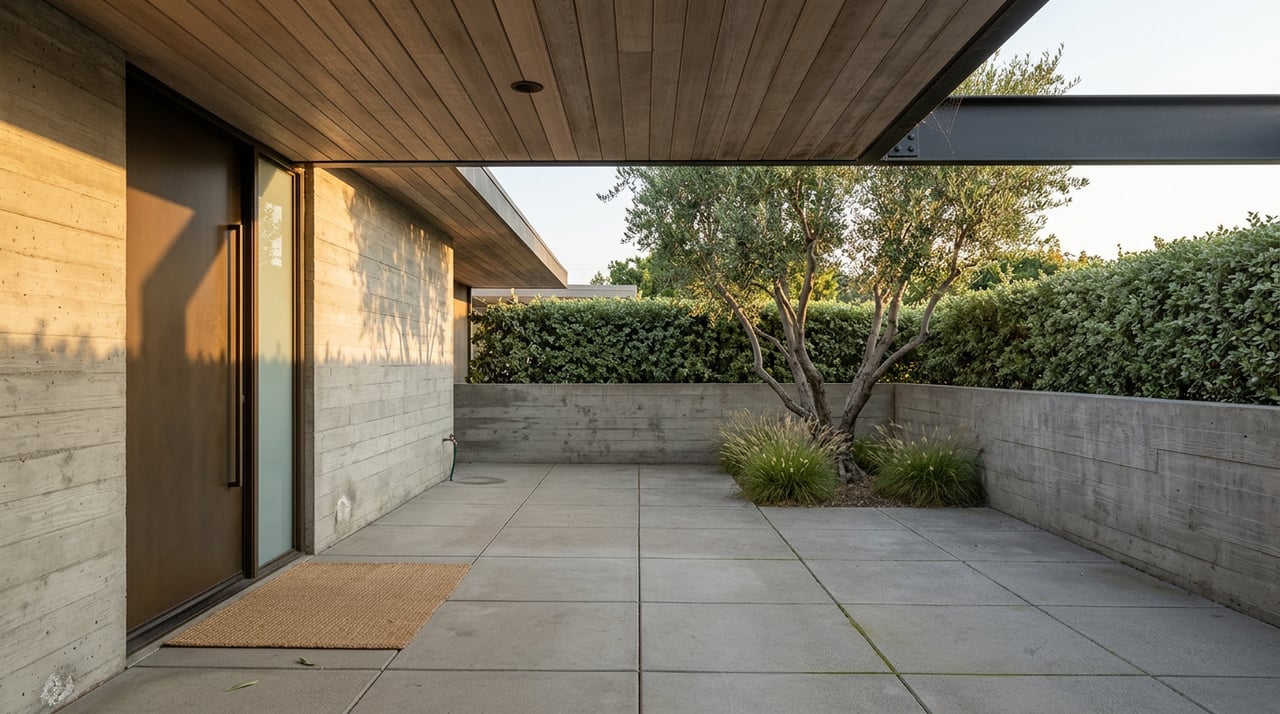
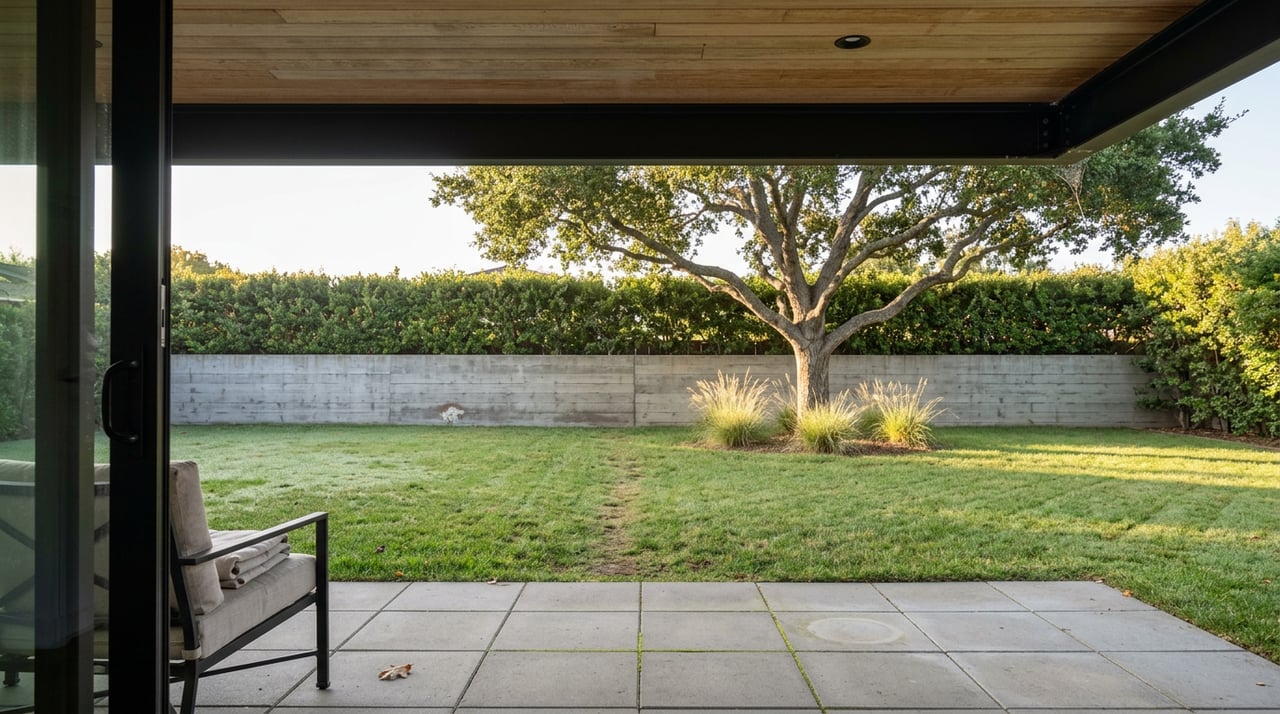
Crescent Park grew up with larger estate-style parcels and many original lot dimensions remain. You will often find more private yard space and greater separation from neighbors. In Midtown, lot sizes are more diverse and subdivision is more common, which supports a range of yard sizes and lower-maintenance options.
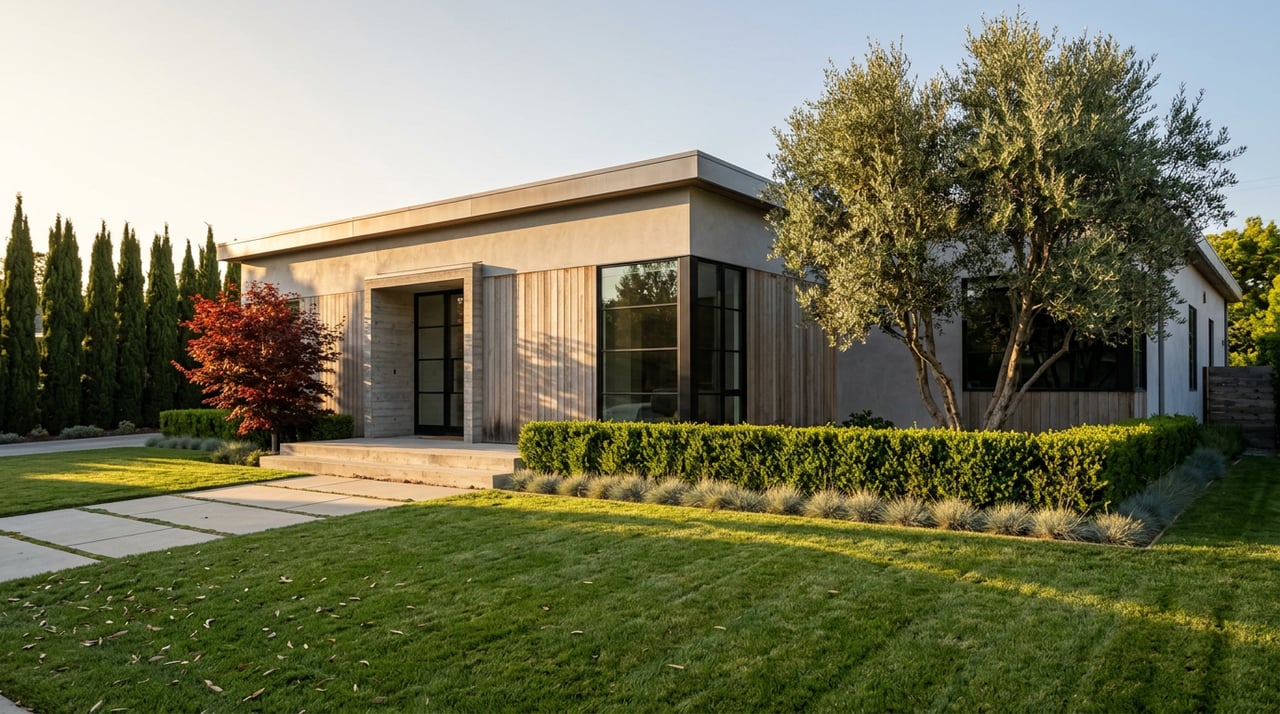
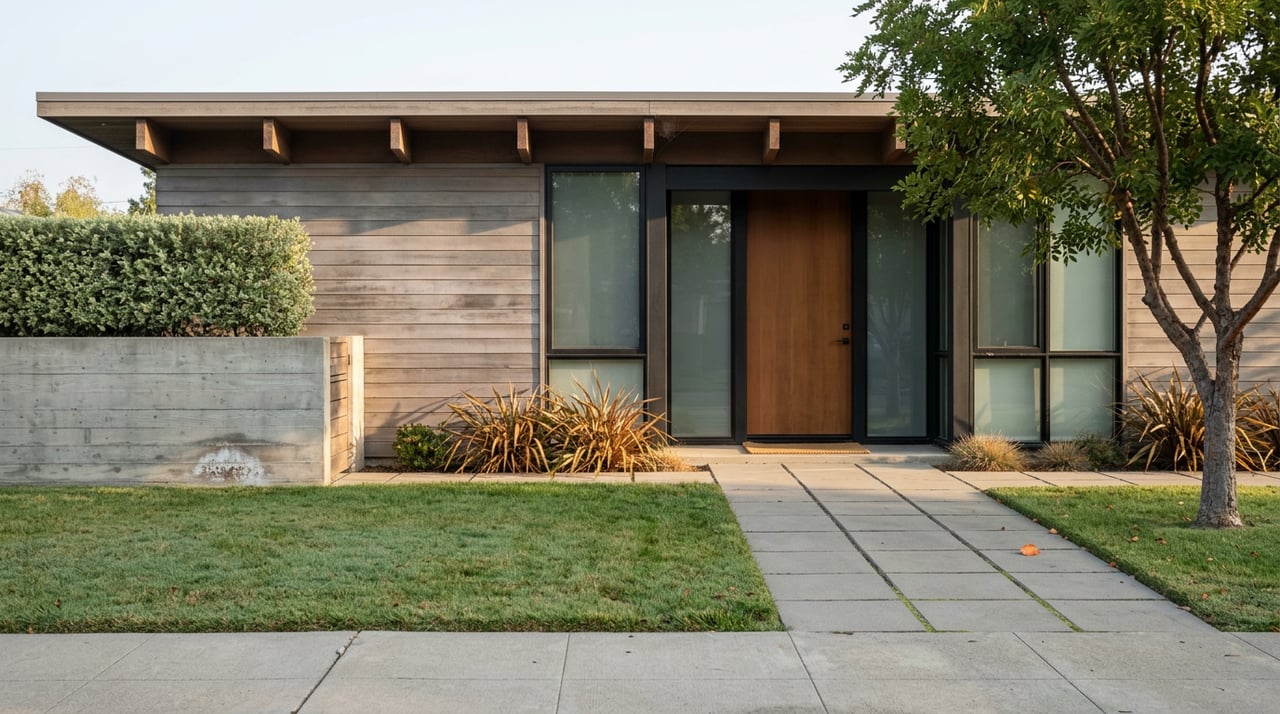
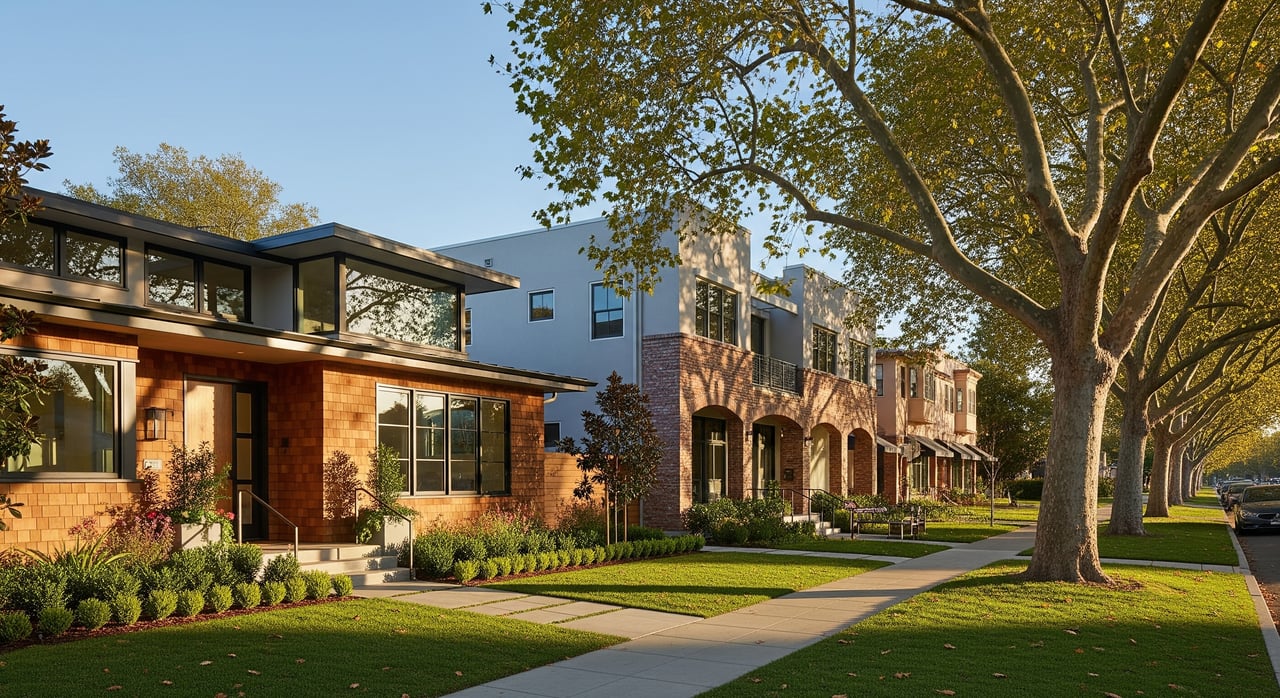
Crescent Park is known for early 20th-century revival styles such as Tudor, Colonial Revival, Mediterranean or Spanish, and Craftsman influences. Many homes have been carefully updated while keeping period exteriors and mature streetscapes. Midtown shows a wider mix, including post-war ranch, mid-century modern, 1950s–1970s construction, and contemporary infill.
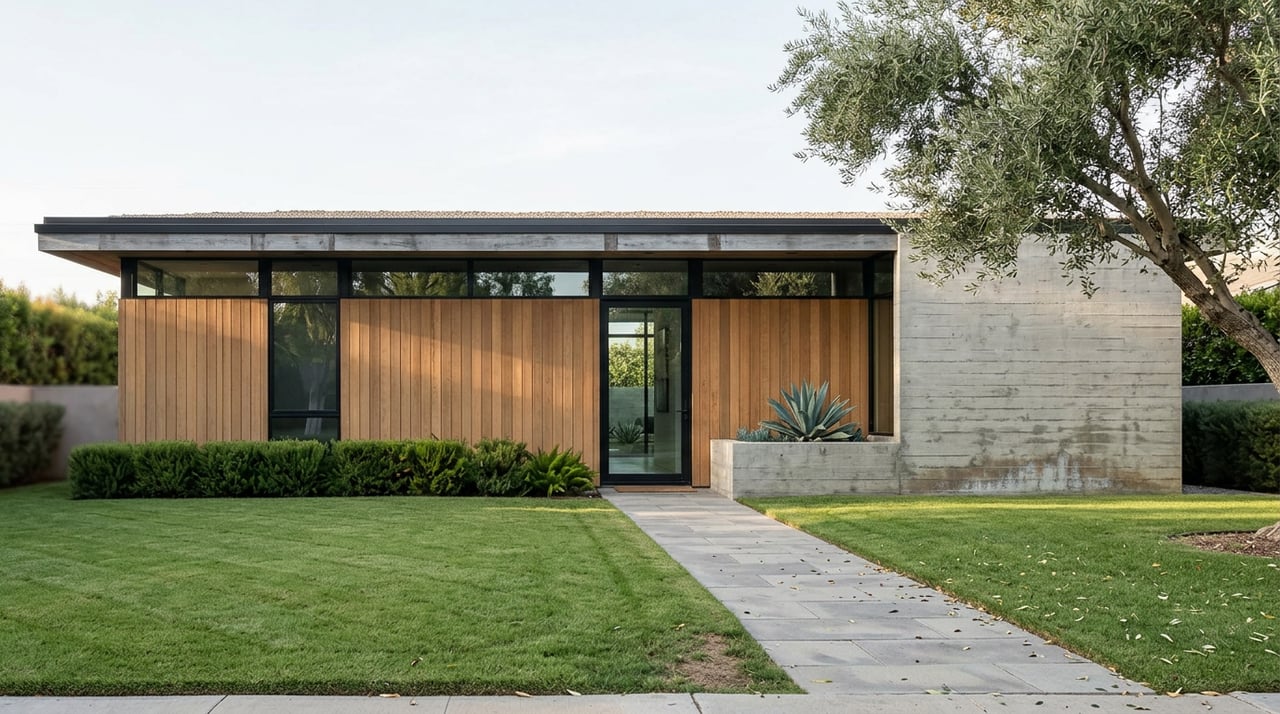
In Crescent Park, you will see more sympathetic renovations that respect historic character, and larger lots can support thoughtful expansions. That said, neighborhood expectations and potential historic interest may lengthen approval timelines for exterior changes. Midtown often presents more practical candidates for full renovate or rebuild projects, subject to zoning, floor-area-ratio limits, and neighborhood design review.
Both neighborhoods enjoy access to Palo Alto’s parks and Stanford’s open spaces. In Crescent Park, proximity to campus green spaces and quieter neighborhood parks supports a campus-oriented, active routine. In Midtown, residents often lean into daily errands and family time around California Avenue amenities, Mitchell Park Community Center and Library, and nearby neighborhood parks.
For larger nature outings like Foothills Park or Arastradero Preserve, you will typically drive from both neighborhoods. Travel times depend on traffic and your starting block.
Palo Alto is a high-demand, low-supply market. Crescent Park listings often command a premium relative to Midtown due to larger lots, architectural prestige, and proximity to downtown and Stanford. Midtown can offer relative value on price per lot or the ability to create a new modern home where older housing stock is common. Always confirm current sales data before making decisions.
Both areas are primarily single-family by block. Palo Alto zoning governs FAR, height, and setbacks, and California’s ADU law applies with local design standards. If you want to expand or add an ADU, review the parcel’s zoning, FAR, and setbacks early in your planning.
Select Crescent Park properties may have historic significance or reside in conservation areas, which can add review steps for exterior changes. Mature trees are a signature of Crescent Park and may require permits for removal. Midtown tends to have fewer uniform historic controls, though individual blocks may still have design expectations.
Both neighborhoods are served by Palo Alto Unified School District. School assignments depend on current boundary lines, which can change. Always verify attendance zones directly with the district for a specific address.
Expect Santa Clara County property taxes and standard transaction disclosures. Mello-Roos is rare in Palo Alto but should be verified at the property level. Confirm any assessments, easements, and utility considerations during due diligence.
You deserve clear guidance that respects your time and goals. Our boutique team represents affluent buyers and sellers across Palo Alto with disciplined planning, premium presentation, and a process designed for confident outcomes. If you are weighing Crescent Park against Midtown, we will help you model the tradeoffs on a property-by-property basis so you can move forward with certainty.
Ready to compare specific addresses, off-market options, or value scenarios? Connect with Christopher Fling for a discreet consultation tailored to your timeline and priorities.
Stay up to date on the latest real estate trends.